

Our Story

About Mustapha's Moroccan

Thanks for your interest in Mustapha's Moroccan. Mustapha's journey to becoming an importer of fine Moroccan food began more than 25 years ago when he came to the US to attend a small college in Texas. His story is not quite "rags to riches", but it is a testament to his determination and fortitude.

Mustapha left his home in Tangiers, Morocco - just across the Mediterranean Sea from southern Spain - with just $600 in his pocket, a very basic grasp of English, and a passion to experience America. It was certainly difficult adjusting to life in the USA, and Mustapha's culture shock was almost overwhelming.

Mustapha didn't stay in Texas for long. He eventually made his way to Seattle and began to work at a Moroccan restaurant here. From prep cook - pounds and pounds of onions every day - to waiter, he soon found himself at one of the most respected classic French restaurants in the city, Rover's, owned and operated by Thierry Rautureau. Now Mustapha was living at the other end of the spectrum of American dining, where everything was carefully prepared and presented for a very discerning and appreciative clientele.

Chef Rautureau shopped daily for the freshest and best ingredients available, and this reminded Mustapha of the daily trips he and his father made to the market in Tangiers. He also remembered the wonderful meals he had enjoyed at home, and he began to wonder why Moroccan cooking and ingredients didn’t have a presence in the USA. When Mustapha returned from his next trip to Morocco with some Moroccan olive oil, he created an immediate demand. Thierry Rautureau was his first customer.

As it turned out however, selling high quality Moroccan oil to American chefs and home cooks was easy, compared to actually making and importing the oil. Although Europeans have been importing and reselling Moroccan olives and olive oil for decades, Moroccan olive growers and olive oil producers were very reluctant to do business with America. They were also dogmatic about the way they made their oil, and could not understand Mustapha's insistence on certain kinds of olives and production methods. The Moroccan farmers, who are mostly poor, are concerned with getting the highest yield of oil from their olives, and not the highest quality. Mustapha persisted however; through personal connections in Morocco, he found an olive grower and a press and began his enterprise. It was incredibly hard work - Mustapha remembers working through the night, rinsing and packing the olives outdoors in the bitter cold.

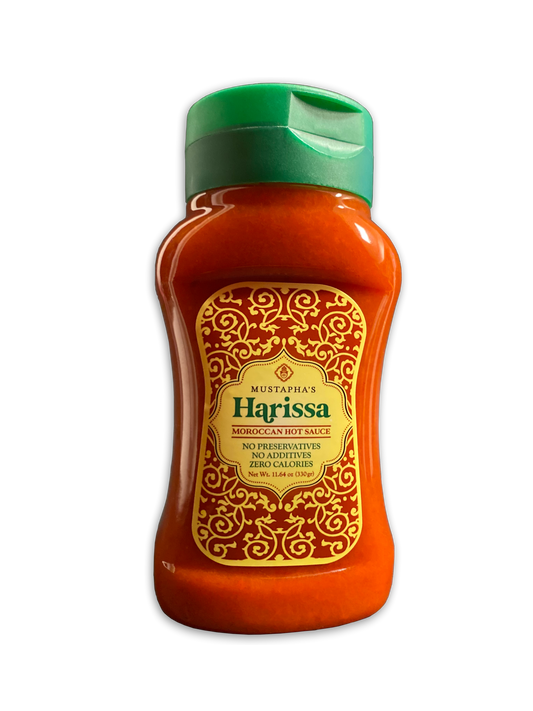
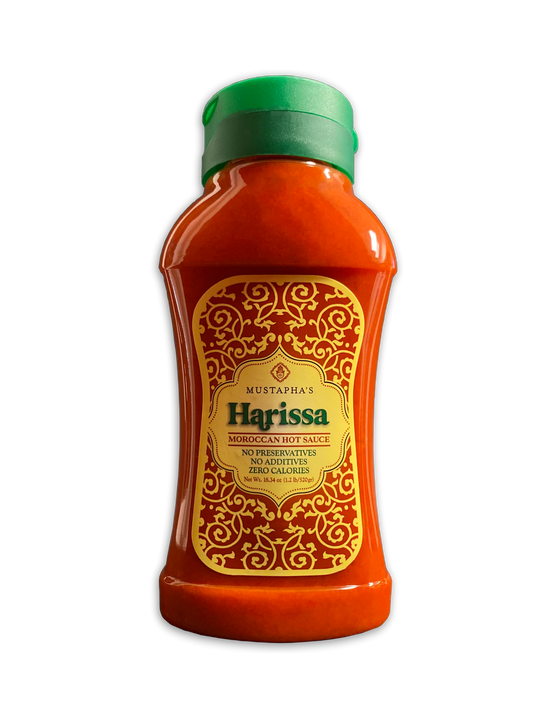
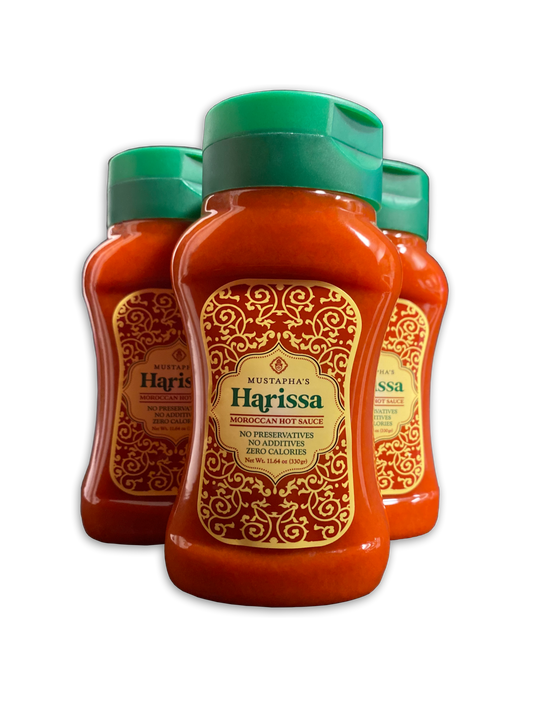
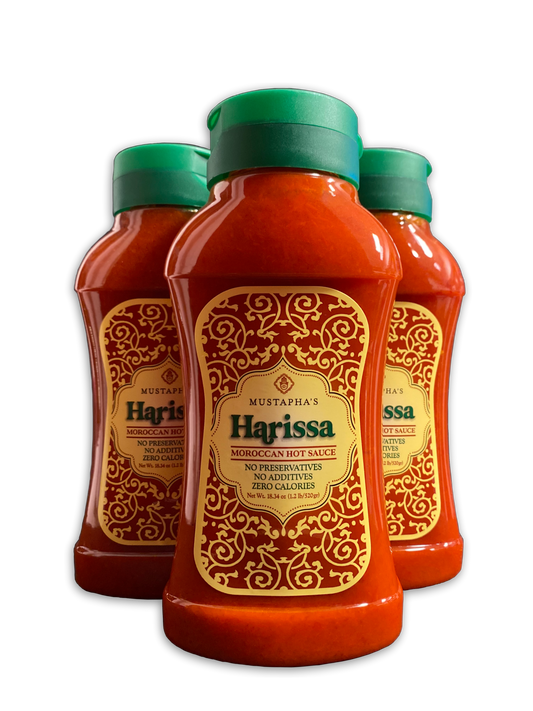
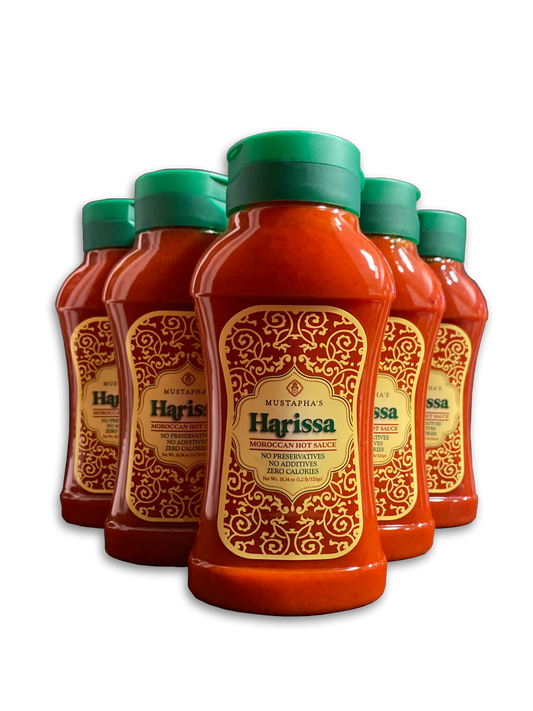
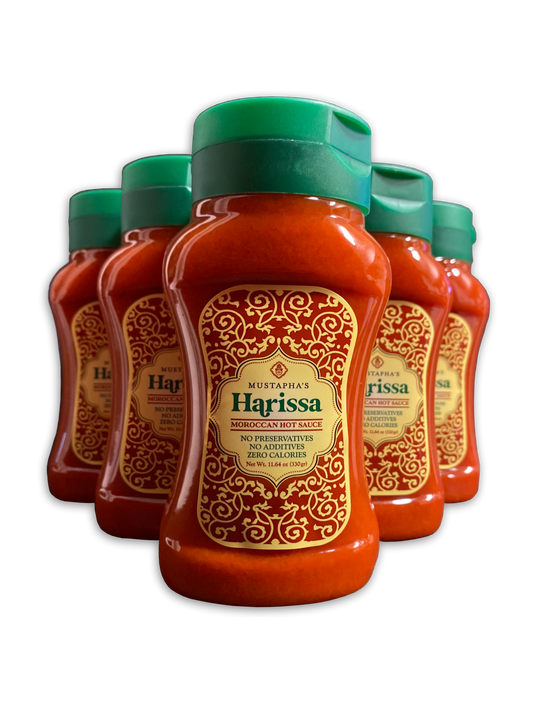
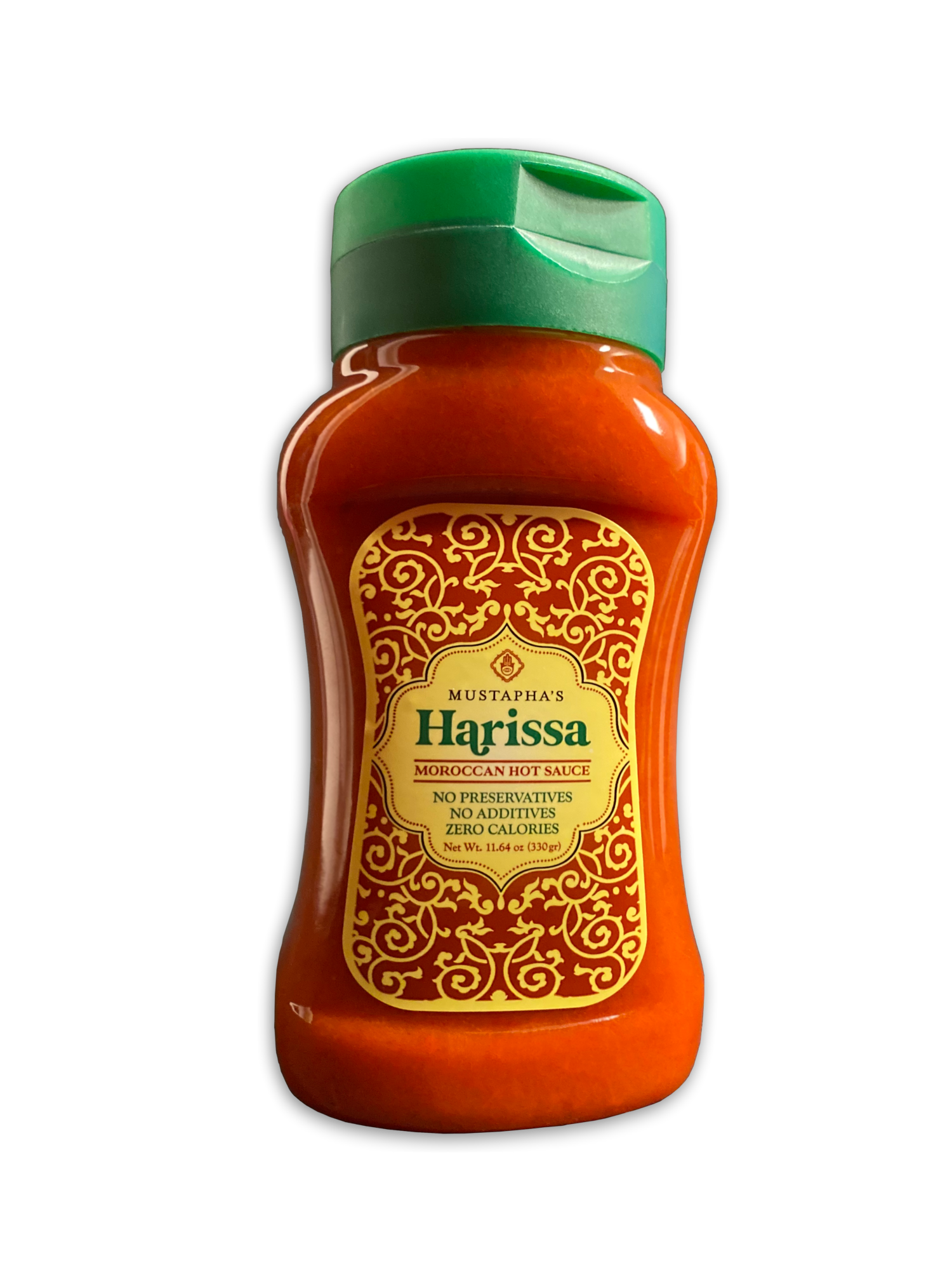
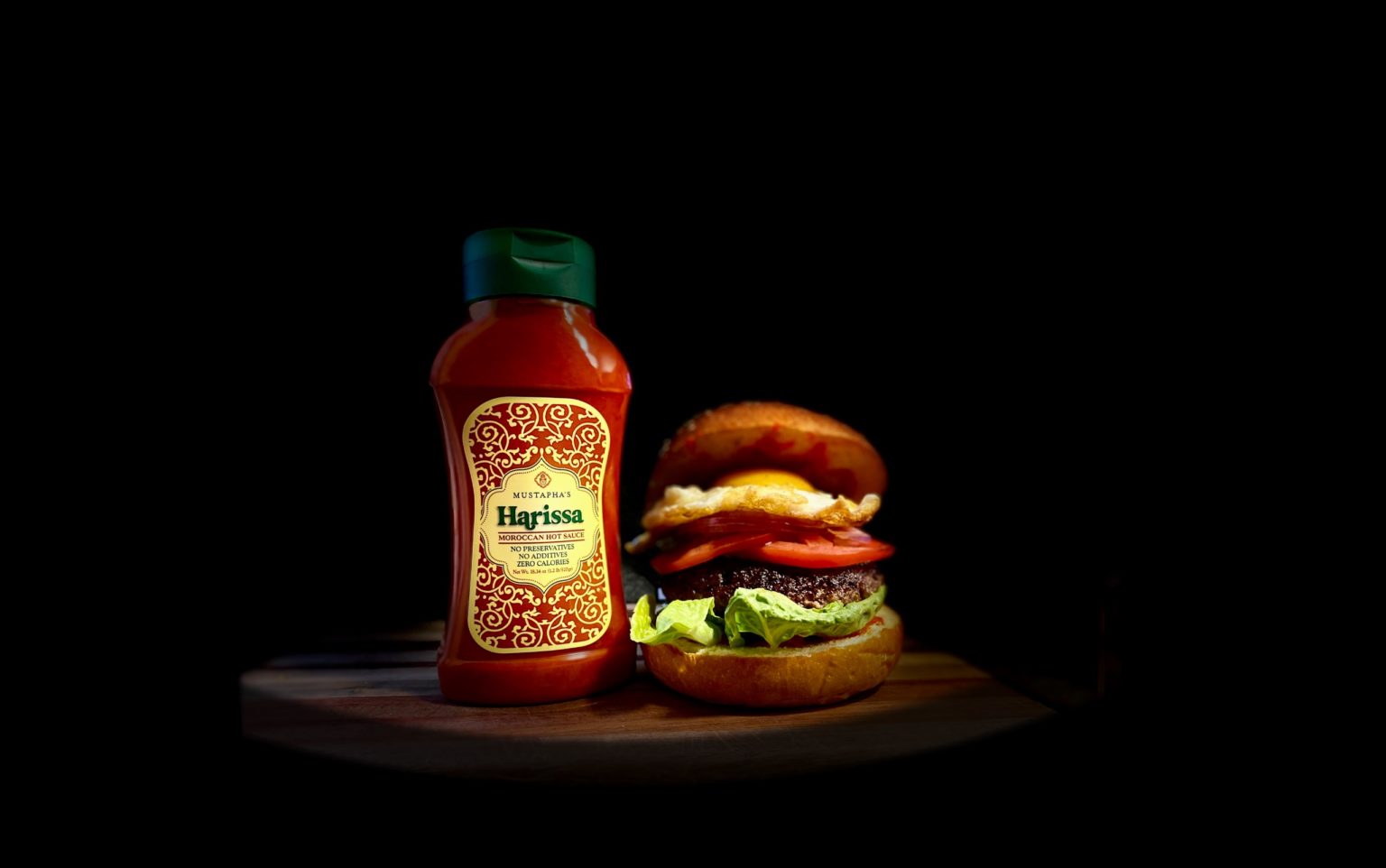
Since those early days, Mustapha's importing business has grown to include an Estate olive oil, wonderful olives, capers, harissa, preserved lemons, and Argan Oil - this latter oil is a treasure unique to Morocco. And true to his nature, Mustapha has not stopped there. After all these years of living (and cooking) in the US, Mustapha felt he still couldn't fully recreate the flavors from his childhood in Morocco - Moroccan food prepared in Morocco just tasted better. He brought back samples of spices from the souks of Morocco and was able to recreate those wonderful flavors - that authentic taste he craved was possible.

While there are some things we eat that are better aged, there are very few things that are better once they are readied for sale. This couldn't be truer than it is with spices. Unlike brand-name spices, which are mass-produced in countries with low, low labor costs, Mustapha's Moroccan spices are grown, and harvested by small farmers and imported in small quantities - you can taste the difference. Mustapha maintains that it's not just the freshness of the spices, but the very fact that they were grown in the rich soil of Morocco that makes them so flavorful.

Morocco has been a crossroad of trade for millennia, and thanks in part to the succession of Phoenician, Roman, and Arab traders, its merchants and cooks have thousands of years of experience using and trading in spices. However it was not trade with local inhabitants alone that brought ships to the shores that today are called Morocco, it was fishing and salt, especially the salt pans on Morocco’s Atlantic coast, which proved to be some of the best in the world.

Morocco's diverse natural landscape yields an amazing abundance and variety of food - olives, oranges, lemons, dates, fish, lamb, almonds, and of course, spices. The peoples of Morocco utilized the rich soil and grew many of their traditional favorite herbs and spices with flavor and potency unlike anywhere in the world like cumin, coriander, anise, gum Arabic, saffron, and verbena in the lush green valleys in the north and east of the country for at least as long as written records have been kept.

Traders have brought spices from as far away as India and Indonesia via caravan and ship such essentials as nutmeg, mace, cinnamon, ginger, turmeric, and grains of paradise. Eventually, even New World spices like chile peppers found a home in Morocco's fertile soil. Of course much of the artistry in using spices is creating the right blends so that the final flavor is greater than the sum of its parts - such is the case of Ras El Hanout, "head of the shop" a blend that each spice merchant creates with as many as 21 spices and herbs, a blend that is essential to Moroccan cuisines.

Moroccan dishes are a unique and complex blending of flavors and textures that are unmatched in any other cuisine. Take bisteeya as an example: flaky pastry filled with three layers - spicy chicken; eggs cooked in a savory lemon-onion sauce; and toasted, sweetened almonds, the whole pie dusted on top with sugar and cinnamon. Tagines also combine several bold flavors, which when cooked together slowly, achieve perfection. If you're a fan of sweet and savory combinations, you'll love Moroccan food. It is over two millennia of collective skill that make Moroccans some of the most discerning buyers of spices and herbs today, and it is the choicest spices and herbs used in Morocco today that Mustapha Haddouch at last brings to the USA under his Mustapha's Moroccan label.

Thoughts of modern Morocco still conjure up images of busy marketplaces filled with exotic sights and aromas: amazing pyramids of spices and olives of every sort; live poultry; rows of brightly colored babouches - traditional Moroccan shoes - textiles, lamps, teapots - it's all here. Mustapha's spices will transport you to the souk: he has the traditional favorites - coriander, ginger, cumin, turmeric, anise, poivron rouge and piment fort etc, as well as some amazing saffron and incomparable Fleur de Sel Marocaine, produced by traditional methods on Morocco's pristine Atlantic Coast. This beautiful cream-colored salt is rich in magnesium and other trace minerals.

That grocery store spice rack can't hold a candle to Mustapha's spices - they are incredibly aromatic and bursting with fresh, bold flavor that is just right for Moroccan cooking and most Mediterranean cuisines. As we discovered first hand, you will find that you don't need to use as much of these treasures to achieve full flavor in your cooking. The trick [to preparing authentic Moroccan dishes] of course", says cookbook author Paula Wolfert, "is to shop carefully, to buy always for quality . . . and to settle for nothing less than the finest spices." We couldn't agree more, and so we invite you to try the authentic Moroccan recipes in our newsletter - using Mustapha's spices, of course - and see for yourself. When the aroma of a sweetly spiced, slow-cooking tagine fills your home, you won't be disappointed!

We will be adding new features over the next few months, so come back regularly.

You can contact us at: Mustapha's Moroccan by phone at (206) 382-1706. We are located at: 1417 Elliott Ave. W, Seattle, WA 98119